

A region long regarded as an opposition stronghold has delivered one of the biggest political surprises of Uganda’s 2026 general elections.
For the first time in more than two decades, the National Resistance Movement (NRM) swept all six parliamentary seats and the LC5 chairperson seat in Kasese District, marking a dramatic shift in the area’s political landscape.
Kasese has historically been known for bold electoral choices and firm opposition politics, particularly under the Forum for Democratic Change (FDC).
In the 2016 general elections, the FDC dominated the district, winning all six parliamentary seats and entrenching its influence at both grassroots and district leadership levels.
However, the January 15, 2026 polls told a different story. NRM candidates defeated contenders from the FDC, National Unity Platform (NUP), Democratic Party (DP), People’s Front for Freedom (PFF), and other opposition groups, completing what party leaders described as a full political turnaround in the district.
Political analysts say the NRM victory was the result of a gradual realignment rather than a sudden wave. In the 2021 elections, the ruling party had already made inroads by winning three of the six parliamentary seats, signaling early signs of voter fatigue with long-standing opposition dominance.
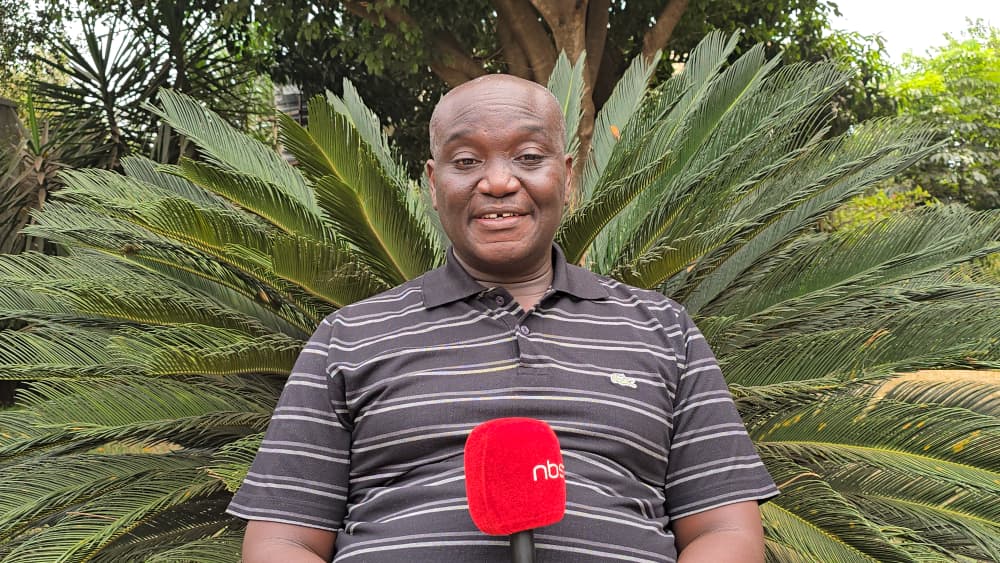
Political analyst Ali Kusemererwa said the ruling party strategically invested in grassroots engagement over time.
“The NRM invested heavily in grassroots mobilisation, careful candidate selection, and sustained engagement with local communities,” Kusemererwa explained. “Their campaign emphasized government-led development programmes and infrastructure, which resonated with many voters across the district.”
NRM leaders in Kasese attributed the victory to visible government interventions, particularly in infrastructure and urban development.
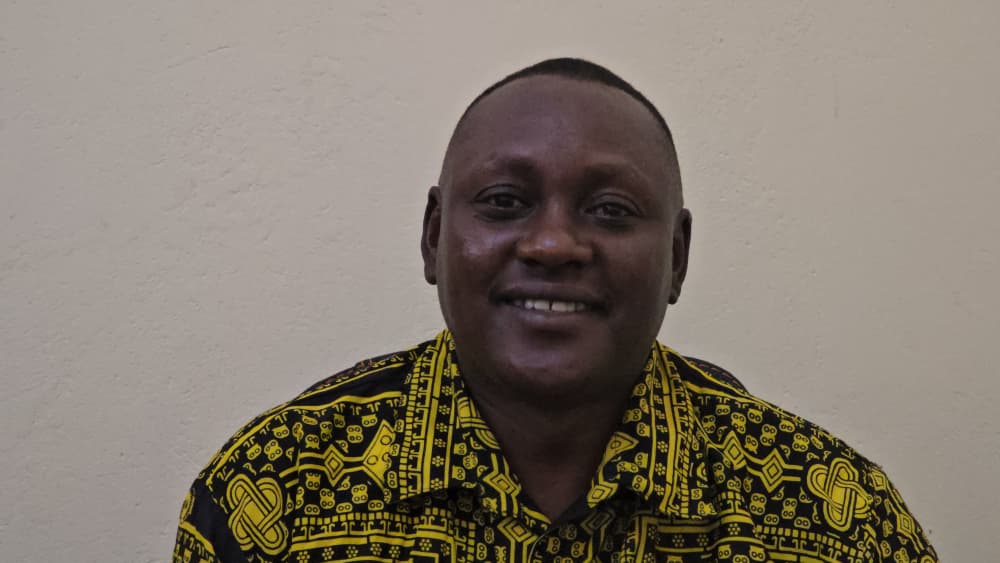
Kasese NRM Vice Chairperson Boaz Kafuda said the party capitalised on service delivery and stability messaging.
“People could see improvements in road works, municipal development, and other government programmes. These are things that directly affect livelihoods, and voters responded to that,” Kafuda said.
Kusemererwa added that President Yoweri Museveni’s personal involvement in campaigning also played a role in consolidating support for NRM candidates.
Analysts and party officials also pointed to weaknesses within opposition parties as a key factor in the NRM sweep. According to Kafuda, internal wrangles and poorly managed primaries undermined opposition credibility.
“Opposition parties, especially the FDC, struggled with internal challenges. Weak local structures and contested primaries damaged voter confidence and reduced their organisational strength,” he said.
Moses Bwambale, a coordinator for Kasese Changed Youths, said the President’s active presence in the region, combined with appeals for peace, stability and economic growth, helped consolidate support for the ruling party.
Opposition figures, however, raised concerns over the credibility of the polls. Robert Centenary, an opposition activist, claimed technical failures discouraged voter participation.
“Many voters were demoralised by the early failure of biometric machines at polling stations,” Centenary said. “This affected turnout, especially in opposition-leaning areas.”
With the NRM now controlling all parliamentary seats and the district’s top political office, Kasese enters a new political chapter that will test whether the ruling party can sustain its support through service delivery and inclusive governance.
As the dust settles, analysts say the 2026 elections may redefine Kasese’s political identity for years to come.
